
San Francisco · Temporary Power Services
Security Camera Trailers in San Francisco
Solar camera trailers and pole or steel-mounted cameras with cellular uplink, motion alerts, timelapse and optional live monitoring, rented month to month.
Security Camera Trailers · San Francisco
Watching a Site After the Crew Goes Home
Copper wire, tools, catalytic converters and stored materials can vanish from an open site overnight, and the bigger cost is usually the lost days while you reorder and file a claim. Our security camera trailers put eyes on the lot without waiting for power or internet. Each trailer carries a mast, several cameras, solar panels, a battery bank and a cellular uplink, and it can sit inside the fence or, with a permit, at the curb. Once a fence line or steel frame is up, we can also mount cameras on poles and beams. Motion alerts go to your phone, recordings are saved for review, and a timelapse documents the build. We rent month to month across San Francisco and the north peninsula.
Camera Coverage Planned Around Your Lot
A camera trailer dropped in the wrong place records a lot of fence. Before we deliver, we look at the gates, the material laydown, the trailer and the spots where someone could climb in, and we aim at those. San Francisco adds a few problems of its own. Fog and short winter days reduce what solar panels collect, so on shaded or foggy sites we size a bigger battery or add a small backup generator. Narrow frontages limit where a trailer fits, and parking one on the sidewalk or street takes the right permit from SF Public Works. Since we also build temp electrical services, we can hardwire a camera mast to the site panel when solar falls short.
- Solar trailers that need no outlet or internet line
- Motion alerts, live view and timelapse
- Optional after-hours live monitoring
- Month-to-month rentals with moves on request
When a Camera Trailer Pays for Itself
Owners and builders most often add cameras on jobs like these.
Copper and wire are on site
Once rough electrical starts, spools of wire and installed copper become targets. A visible mast with lights and a speaker discourages people from trying, and saved footage helps police and insurers if someone does.
Equipment stays overnight
Lifts, compact excavators, generators and tool trailers are expensive to replace and slow to rent again. Cameras pointed at the equipment yard watch it through nights, weekends and holidays.
The insurer or lender asks for it
Some builder risk policies and construction lenders want documented site security. A trailer with stored footage and alert logs gives you a record to show them. Read your policy for its exact wording.
You want to see progress from the office
Owners, lenders and project executives like to check the site without crossing the city in traffic. Live view and a daily timelapse let them do it from a laptop.
The lot has no power yet
At the start of a job there may be nothing on site but a fence and a gate. A solar trailer runs on its own panels and batteries, so coverage can begin before the temp service is energized.
Tell us the lot size, the gates and where materials will be stored, and we will propose camera positions. Call: (415) 936-1338
How We Work
The same project manager stays on your job from the first call to the day we pull the gear. The steps look like this:
1. Plan the coverage
We review the site plan or walk the lot, mark entry points and storage areas, and decide how many trailers or fixed cameras the site needs. We also check sun exposure, since solar output drives battery sizing.
2. Deliver and aim
The trailer is towed in and leveled, the mast goes up, and the cameras are aimed and focused. Fixed cameras go on poles, fencing or the steel frame. We draw alert zones so a passing Muni bus does not set off your phone.
3. Monitor and adjust
Recordings, alerts and live view run through a phone app and a web portal. As the building rises and the site changes, we move the trailer or re-aim cameras. If a unit goes offline, we see it and send a tech.
Camera Equipment and Monitoring Options
Solar camera trailers
Each trailer has a telescoping mast, solar panels, batteries and a cellular modem, so it needs no outlet and no internet line. Most carry several cameras, including a pan-tilt-zoom unit, along with lights and a speaker that can play a warning.
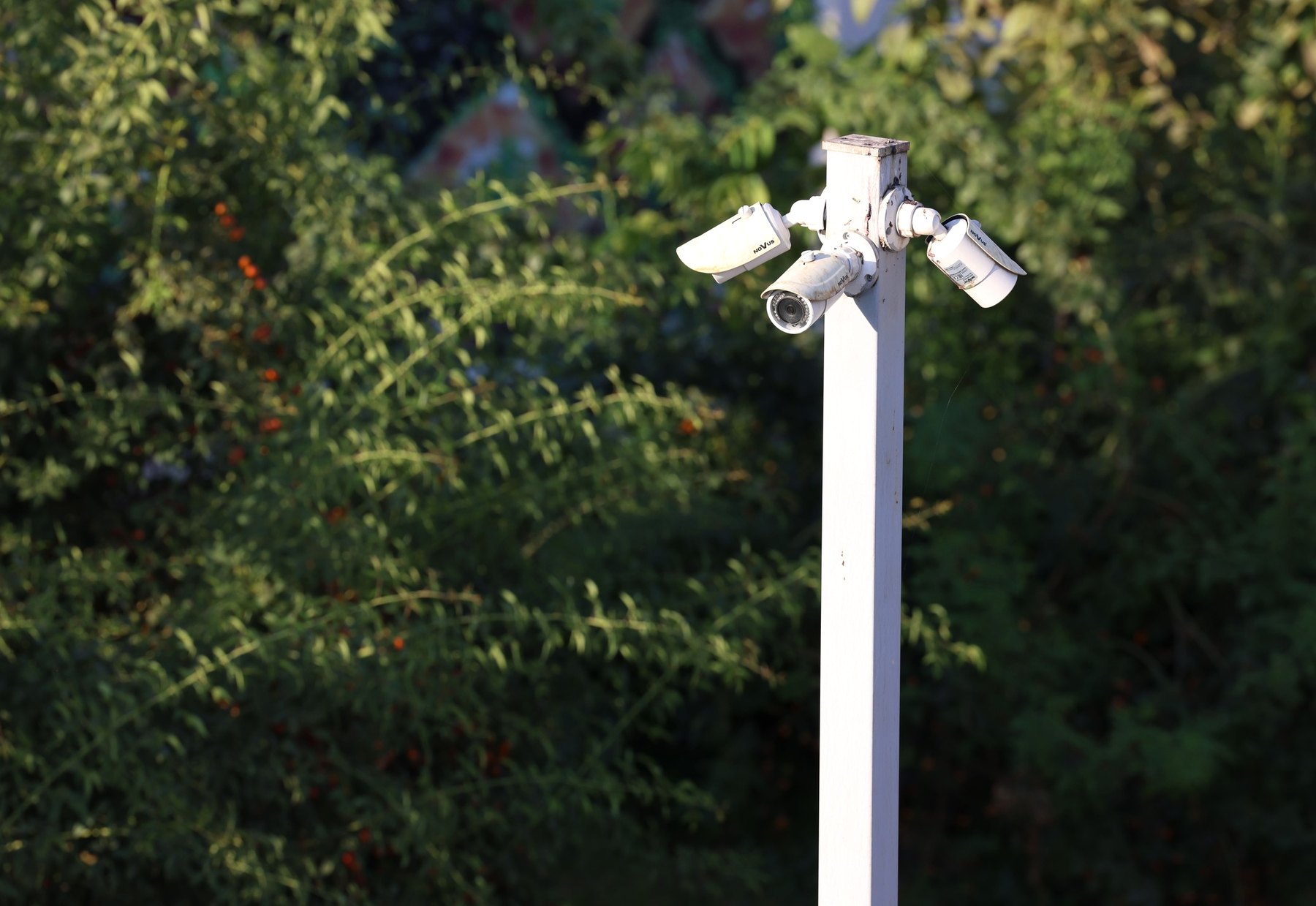
Pole and steel-mounted cameras
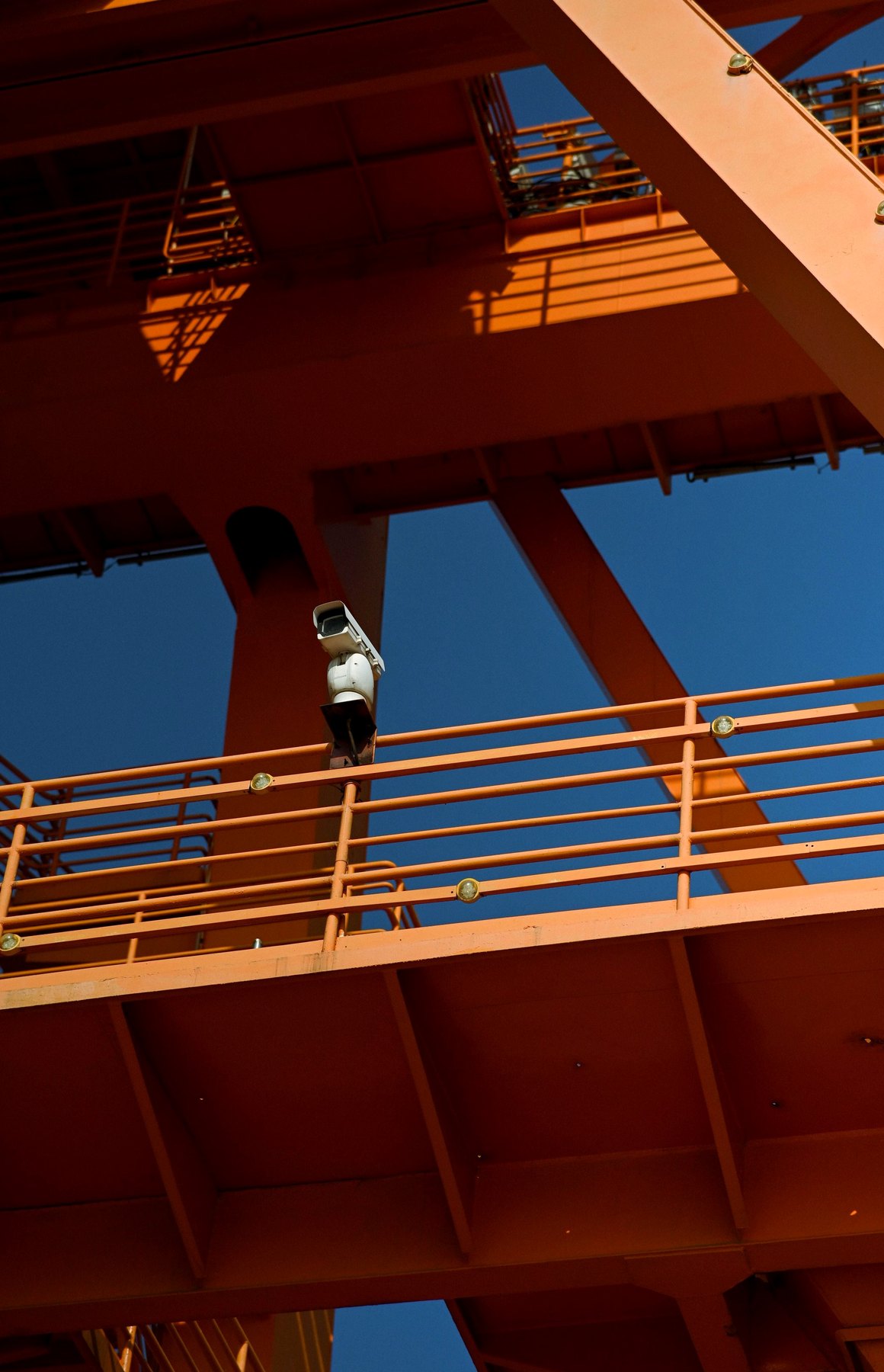
Once the frame is up or the fence is set, fixed cameras on poles or beams can cover what a trailer cannot see, such as an upper floor or a back corner. They run off the site panel or a small solar kit.
Motion alerts and live monitoring
Standard plans send motion alerts with short clips to your phone. For higher-risk sites, an optional live monitoring service watches alerts after hours, talks to intruders through the speaker and calls police when needed. Ask us which level fits the job.
Timelapse and progress photos
A camera can capture stills through the day and assemble them into a timelapse of the build. Owners use it in progress reports, and builders use it to settle questions about when a piece of work happened.
Cellular uplink and storage
Footage records on the unit and sends clips and live view over cellular. If the site has our bonded site internet, fixed cameras can share it. How many days of recordings you keep depends on the plan.
Camera Trailer Rental Rates
A camera trailer typically rents for $450 to $1,200 a month, month to month. What sets the price:
- Cameras and trailers. A small residential lot may need one trailer. A full-block project with several gates may need two or three units plus fixed cameras.
- Monitoring level. Recorded video with alerts is the base plan. Live after-hours monitoring costs more.
- Power source. Solar-only trailers are standard. Shaded or foggy sites may need a larger battery bank or a backup generator.
- Placement permits. A trailer in the street or on the sidewalk needs a Public Works permit, and that fee is added.
- Moves during the job. Relocating a trailer as the site changes is quoted per visit.
- Rental length. Longer rentals usually bring the monthly rate down.
Share the address and a rough sketch of the lot, and we will price the coverage.
Frequently Asked Questions
Do camera trailers work in San Francisco fog?
They do, with some planning. Fog and short winter days cut solar output, so we size the battery for the site and add a small backup generator or a hardwired feed where a location stays shaded. Infrared cameras see at night and in light fog, though thick fog shortens their range.
Can a trailer go on the street?
With a permit, yes. Curbside placement inside the city goes through SF Public Works for street space, and the peninsula cities run their own encroachment rules. Check with the city before placement, and we will schedule delivery around the permit date.
How many cameras does my site need?
A small residential lot with one gate may need a single trailer. Bigger sites need coverage of every gate, the laydown yard, the trailer and the structure itself. We mark camera positions on your site plan before we quote.
Who watches the cameras?
On the standard plan, you and your team get alerts and live view on your phones. With the optional monitoring service, operators review alerts after hours and respond through the speaker or by calling police.
What does a camera trailer cost per month?
Most rentals fall in a $450 to $1,200 monthly range. Camera count and the choice of live monitoring explain most of the spread.
Do the trailers light up the site?
Most have built-in lights meant to deter. For crews working after dark you will want LED light tower rentals, which put out far more light over a wider area.
How fast can a trailer be delivered?
When units are in stock, we can often deliver within a few days of the order. Placement in the street depends on when the permit comes through.
Need power on a San Francisco site?
Tell us where the job is, when crews start and which tools and machines will draw power. A project manager calls back with a written quote.
Or call us now: (415) 936-1338