
San Francisco · Temporary Power Services
Temporary Power Poles in San Francisco
Temporary electrical services from 100A to 400A, single or three-phase, with the DBI permit, PG&E request, inspection and removal handled by one C-10 crew.
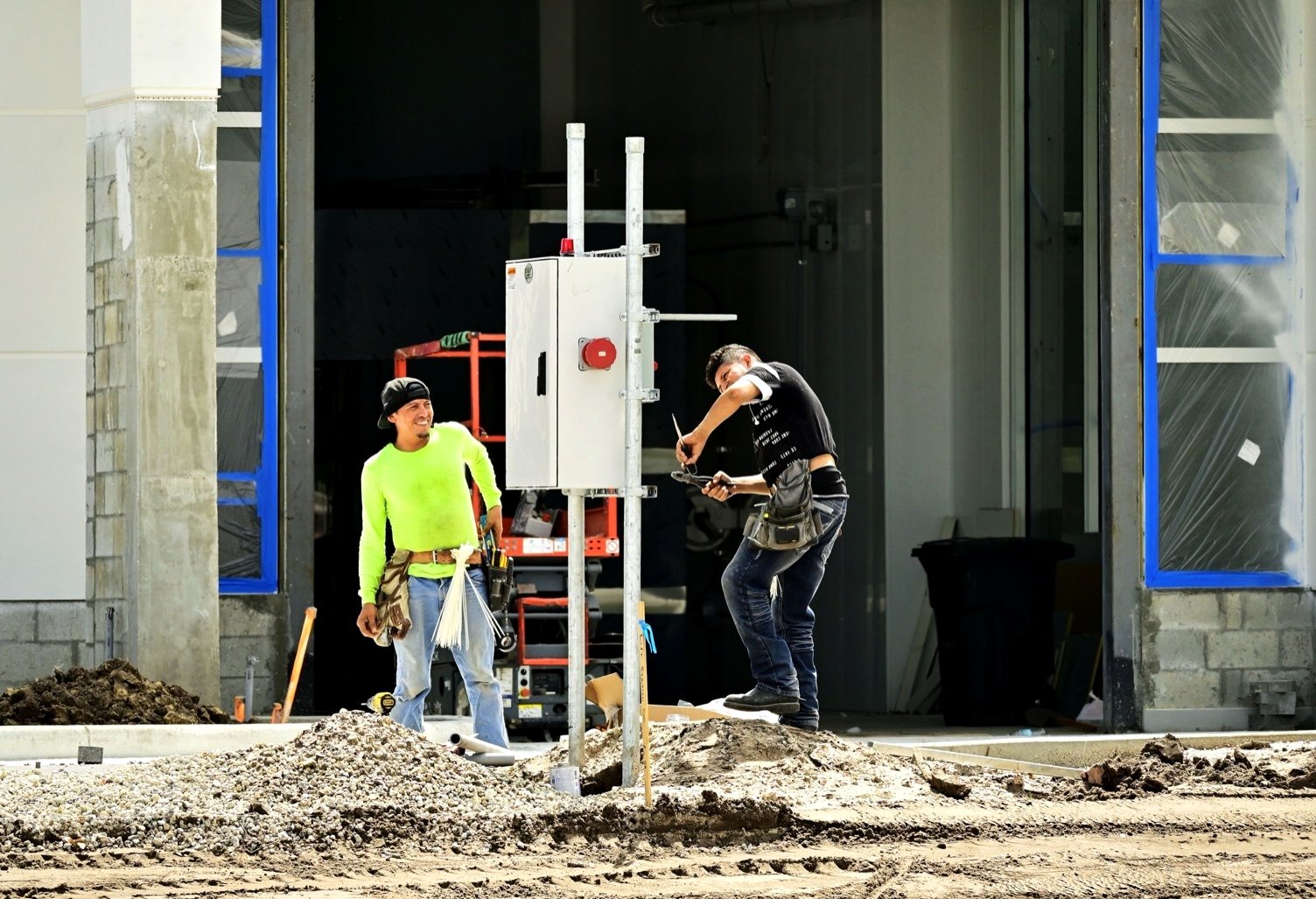
Temporary Power Poles · San Francisco
Getting a Metered Construction Service on an SF Lot
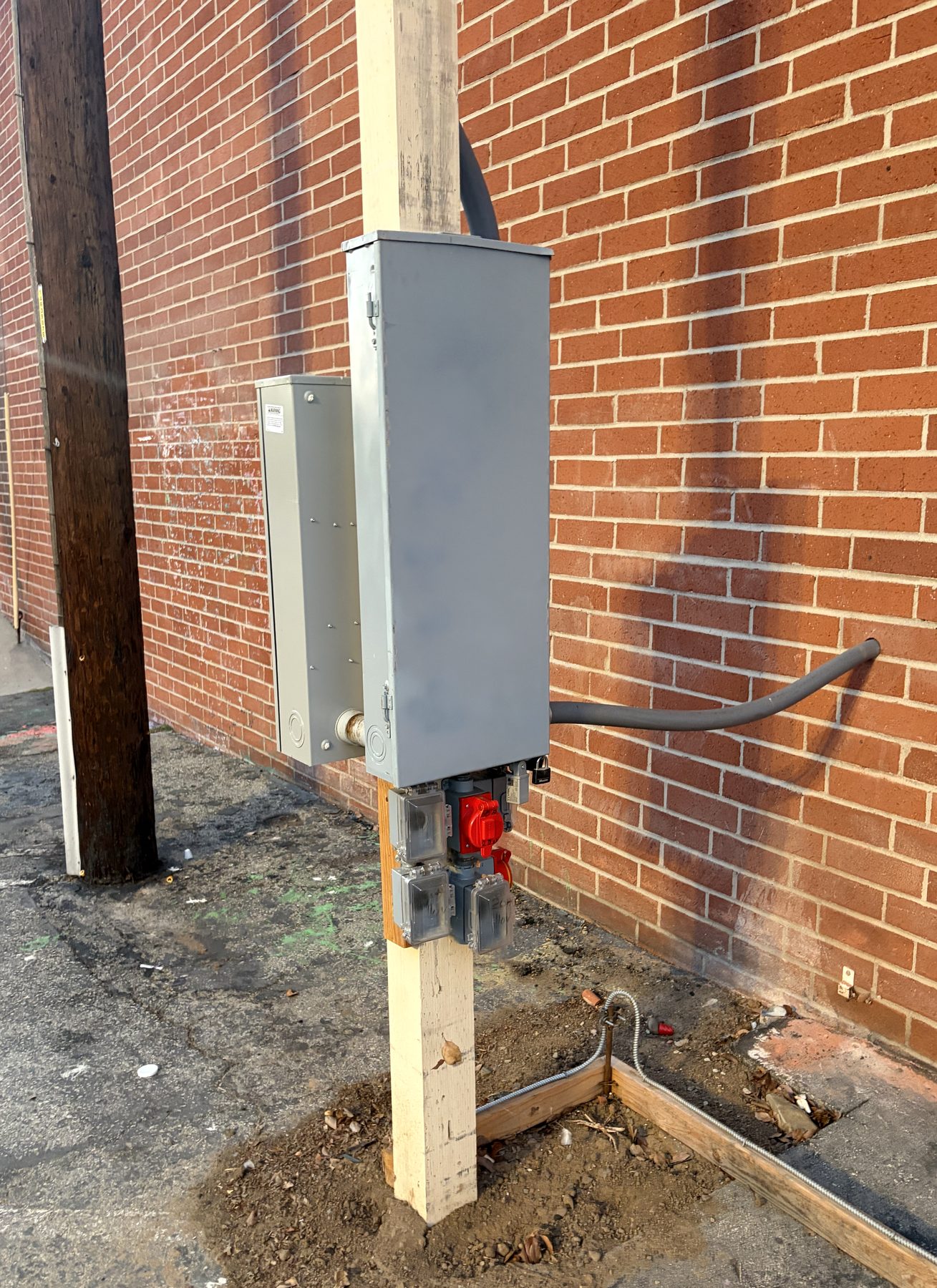
A temporary power pole gives a job its own metered electrical service until the permanent one is energized. In San Francisco that usually means a pressure-treated post or a steel pedestal with a meter base, a main disconnect, a few branch circuits and GFCI outlets, squeezed onto a lot that may be only 25 feet wide. We size and build services anywhere from 100A single-phase to 400A three-phase for builders, developers, electrical subs and owners doing a full rebuild. Our C-10 crew pulls the electrical permit with the Department of Building Inspection (or the building division of the peninsula city you are working in), opens the new-service request with PG&E, builds the assembly, meets the inspector and stays on the PG&E file until the meter is set. When the permanent service is live, we take everything out and patch the ground.
What Our C-10 Crew Handles on a Temp Service
Setting the pole takes a morning. The weeks around it go to permits, utility paperwork and scheduling, and that is where we spend most of our effort. We track the DBI electrical permit, answer PG&E’s questions about load and meter location, and call for an inspection slot as soon as the work is ready. Our pedestals are assembled in our own shop to the amperage on your quote, so nothing shows up undersized. If PG&E’s date slips past the day your framers arrive, we can park a towable diesel generator beside the panel and pull it off rent the day the meter goes in. One project manager runs the whole thing, and you have one number to call.
- 100A to 400A, single or three-phase
- DBI electrical permit and PG&E filing handled
- Pedestals built to your quoted amperage
- Removal and ground restoration included
When an SF Project Needs Its Own Temp Service
Five situations bring most San Francisco builders to us.
Ground-up work on an empty lot
A vacant parcel or a demolished house has nothing to plug into. Excavation, shoring and framing crews all need metered power from week one, so the temp service permit should go in with your earliest filings. Days saved here carry through the rest of the schedule.
A remodel that replaces the main service
Moving the meter, upgrading a Victorian from 100A to 200A, or relocating the service drop means PG&E will pull the old meter for a while. A temp pole carries the job through that gap and gives the inspector a legal, permitted source to look at.
Cords from the neighbor keep tripping
Borrowed power from an adjacent unit or a garage outlet holds up until a saw, a compressor and a heater start at once. When breakers trip every morning, the job has outgrown what it is plugged into and needs a service sized for the work.
Mid-rise and lab builds with heavy early loads
Hoists, welders, concrete pumps and a field office with its site internet router all need capacity long before building switchgear is energized. Podium and lab jobs in Mission Bay or SoMa usually call for 400A three-phase plus distribution boxes on each level.
Inspections go better with a permitted source
Rough electrical and framing inspections move faster when the temporary power is permitted, grounded and GFCI protected. An unpermitted setup tends to turn into a correction notice, and each correction costs days you do not have.
Send us the equipment list and the plan set, and we can usually recommend an amperage the same day. Call: (415) 936-1338
How We Work
The same project manager stays on your job from the first call to the day we pull the gear. The steps look like this:
1. Walk the lot and size the load
We review the plans or walk the site with you, list every tool and load that runs at once, and choose between 100A, 200A and 400A, single or three-phase. Then we pick a pole spot that stays clear of shoring, the concrete pump and the curb cut for deliveries.
2. File with DBI and PG&E
We pull the electrical permit with DBI or the local building division and open the PG&E new-service application in the same week. If the pole has to sit on the sidewalk, we tell you early so the Public Works approval for sidewalk use comes through first.
3. Build, inspect and energize
Our crew sets the post or pedestal, drives two ground rods and bonds them, hangs the meter base and panel, and lands the conductors. After the inspection passes, PG&E gets the release and sets the meter, and your crew has power.
Service Sizes and Hardware on the Pole
100A and 200A single-phase
A 100A service runs most remodels and small residential jobs: saws, battery chargers, a compressor, lights and a heater or two. 200A suits multi-unit buildings, small commercial shells and any site with an office trailer. We match the size to your equipment list, because a service that runs out of room means a second permit and a second install.
400A three-phase for larger builds
Mid-rise residential, lab and office projects often need 120/208V or 277/480V three-phase for hoists, cranes and welding. These go on a steel pedestal or skid with a bigger meter section and main. Three-phase requests can take more back and forth with PG&E, so we file them as early as the plans allow.
Panels, GFCI outlets and spider boxes
The panel on the pole carries a main breaker, branch breakers and GFCI receptacles behind while-in-use covers. On a deep lot or a multi-story frame we run feeder cable to spider boxes on each floor, so trades plug in near the work instead of dragging cords up a stairwell.
Overhead drops and underground laterals
Some SF blocks are fed by overhead lines along the back of the lot, and others by vaults under the sidewalk. An underground feed usually means conduit, trenching and sometimes a separate trench inspection. We find the source on the site walk and price both routes when either could work.
Removal once the building service is live
After the permanent service is inspected and energized, we coordinate the meter removal with PG&E, pull the pole, rods and panel, fill the hole and clean up. Removal is part of the original price, so the last invoice matches the first quote.
Typical Temp Pole Pricing Around the Bay
Most 100A to 200A single-phase installs in San Francisco land between $1,800 and $4,500. A 400A three-phase service is typically a $6,000 to $14,000+ job, and monthly rental on the equipment is usually $150 to $400. PG&E bills its own fees separately. These are the things that move a quote:
- Amperage and phase. Each step from 100A to 200A to 400A three-phase adds a bigger panel, heavier conductors and more labor.
- Where the utility source is. A short overhead drop costs the least. Trenching, conduit or a long span across a deep lot costs more.
- Permit fees. DBI and each peninsula building division set their own fees, and we pass them through at cost.
- Sidewalk or street use. If the pole, panel or cable sits in the public right of way, a Public Works street-space permit and its fees get added.
- Hills and access. A steep driveway or a rear lot reached only by stairs takes more labor to place the post and drive the rods.
- How long it stays up. Most temp services run from three months to a year and a half, and longer rentals usually earn a lower monthly rate.
A short site visit gets you a written price that already includes removal.
Frequently Asked Questions
Which agency permits a construction power pole here?
Inside city limits it is an electrical permit from the Department of Building Inspection. In Daly City, South San Francisco, Brisbane, San Bruno, Burlingame and San Mateo, the city building division issues it, and San Mateo County covers unincorporated parcels. We pull whichever one applies as part of the job.
How long until the site has power?
Plan on a few weeks from the first call to a live meter. The install itself takes a day or less. Most of the wait is permit review and PG&E’s schedule for the meter set, and both move with the time of year and the amperage requested. Once the PG&E application is open, we can give you a firm target date.
Can the pole sit on the sidewalk?
On a lot built out to the property line, it sometimes has to. Anything placed in the public right of way generally requires street-use approval from San Francisco Public Works, and the pole has to leave a clear path for people walking by. Check with Public Works on the conditions for your block. We flag this on the site walk so the application can go in early.
How many ground rods does a temp service need?
We drive two rods spaced at least six feet apart on nearly every job. A single rod can pass when its resistance to earth measures 25 ohms or under, but proving that takes a test, and a second rod is quicker. On rocky hillside ground we talk through the electrode setup with the inspector before driving anything.
What does a temp power pole cost here?
For 100A or 200A single-phase, expect roughly $1,800 to $4,500 installed. Three-phase 400A work begins at about $6,000, and complicated sites go beyond $14,000. Equipment rental by the month and PG&E charges come on top. You get a written number after we see the lot.
What if PG&E cannot set the meter before work starts?
It happens often enough that we plan for it. We can bring a generator sized for your tools and trailer, feed it through the same panel, and take it off rent once PG&E energizes the service. If the first weeks also run into the dark, rental light towers can go out on the same delivery.
Will the pole hold up in the wind?
We set posts deep and brace them for a loaded panel, and on exposed sites near the bay or on a ridge we add bracing or use a weighted steel pedestal. Fog and salt air are hard on hardware, so we use weatherproof covers and look them over when we are on site.
What are your working hours?
Our crews work Monday through Saturday, 7am to 7pm. Inspections and PG&E meter sets run on their own calendars, and we book our install days around them.
Need power on a San Francisco site?
Tell us where the job is, when crews start and which tools and machines will draw power. A project manager calls back with a written quote.
Or call us now: (415) 936-1338